
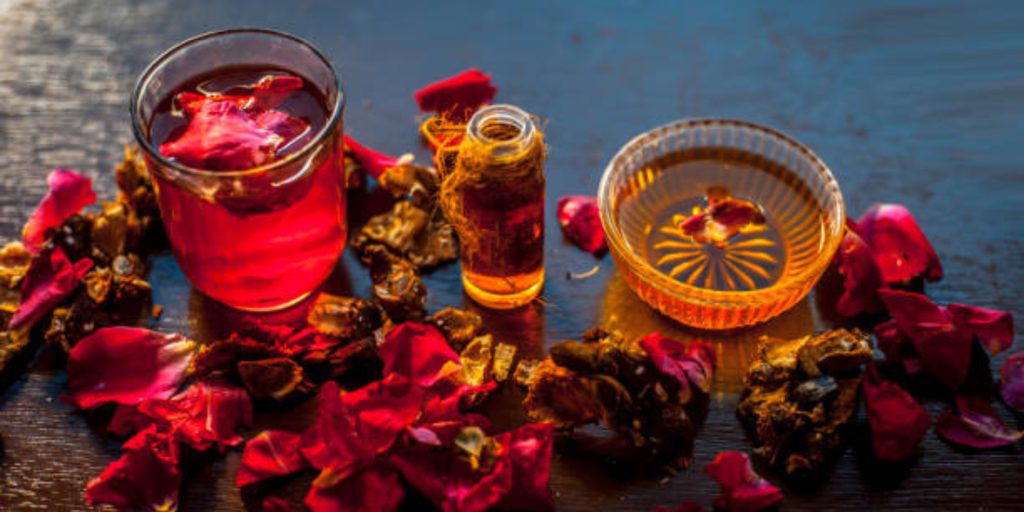
PCOD / PCOS
Ayurveda views PCOS as a disorder of Kapha and Pitta doshas. Treatment may involve weight management, stress reduction, herbal remedies like Shatavari and Ashwagandha, and therapies to balance hormones and regulate menstrual cycles.
Menstrual Wellness
In Ayurveda, menstruation is governed by Apana Vata — a sub-dosha of Vata that controls the downward and outward flow in the pelvic region. A healthy, regular, and pain-free cycle is seen as a sign of balanced Apana Vata.
Vata Imbalance: Leads to irregularity, scanty flow, cramps, anxiety, and constipation.
Pitta Imbalance: Leads to heavy bleeding, painful periods, clots, acne, irritability, and inflammation.
Kapha Imbalance: Can lead to water retention, bloating, sluggish flow, and excessive mucus.
Menopause Syndrome
Ayurveda offers natural remedies for managing symptoms like hot flashes, mood swings, and insomnia during menopause. Herbal supplements, diet modifications, and lifestyle changes are often recommended.
Endometriosis (Yoni Vyapat / Pitta-Vata Disorder)
Endometriosis is characterized by the growth of uterine tissue outside the uterus, causing intense pain, inflammation, and scarring.
-
Dosha Focus: Driven by Vata (causing misplaced movement of tissue and acute pain) and Pitta (causing localized inflammation, bleeding, and burning sensation).
-
Common Symptoms: Severe pelvic pain during periods, pain during intercourse, heavy or irregular bleeding, and digestive discomfort.
-
Ayurvedic Approach: Anti-inflammatory and cooling therapies (Pitta-Vhara), gentle pelvic Basti (enema therapy) to balance Vata, and herbs such as Guggulu, Turmeric (Curcumin), and Lodhra.
Uterine Fibroids (Mamsa/Rakta Granthi)
Uterine fibroids are non-cancerous growths in the uterus, formed due to an accumulation of stagnant tissue and fluids.
-
Dosha Focus: Predominantly a Kapha (overgrowth/stagnation) and Rakta/Pitta (blood-tissue involvement) imbalance, often with Vata driving the structural mass formation.
-
Common Symptoms: Heavy menstrual bleeding (Menorrhagia), pelvic pressure, prolonged periods, lower back pain, and frequent urination.
-
Ayurvedic Approach: Therapies aimed at scraping/reducing tissue (Lekhana), improving metabolic fire (Agni), and using herbs like Kanchanar Guggulu, Ashoka, and Varuna.
Pelvic Inflammatory Disease & Vaginal Infections (Yoni Kanda / Shweta Pradara)
Chronic pelvic infections and abnormal vaginal discharge indicate an imbalance in the vaginal microbiome and reproductive tract lining.
-
Dosha Focus: Kapha governs excessive watery/sticky discharge (Shweta Pradara), while Pitta causes redness, burning, foul odor, and itching.
-
Common Symptoms: Abnormal white/yellow discharge, pelvic soreness, burning during urination or intercourse, and chronic lower abdominal heaviness.
-
Ayurvedic Approach: Localized antiseptic washes (Yoni Prakshalana), herbal fumigation (Yoni Dhupana), and internal antimicrobial herbs like Neem, Triphala, and Sariva.
Premenstrual Syndrome (PMS / Artava Dusti)
The physical and emotional symptoms occurring 1–2 weeks before menstruation are seen as a buildup of metabolic toxins combined with aggravated doshas as the body prepares to bleed.
-
Vata-type PMS: Anxiety, insomnia, mood swings, lower back aches, bloating, and constipation.
-
Pitta-type PMS: Irritability, anger, hot flashes, breast tenderness, acne, and heart burn.
-
Kapha-type PMS: Fluid retention, weight gain, fatigue, depression, and heaviness in the limbs.
-
Ayurvedic Approach: Specific lifestyle adjustments based on the dominant PMS type, nervous system calmatives like Brahmi and Jatamansi, and mild digestive remedies.